
What Is NERSI?
The National Emergency Relief and Stabilisation Intervention was announced on October 30, 2026, by the Minister of Humanitarian Affairs and Poverty Reduction, Dr Bernard Doro. He described it as a presidential initiative meant to give immediate financial help to vulnerable Nigerian households. The government says it sits alongside existing social protection and economic support programmes, and forms part of the Renewed Hope Agenda of President Bola Tinubu.
Each selected beneficiary receives ₦50,000 in a mobile wallet. Vanguard reports that the payment is a grant, not a loan, so nobody is required to pay it back.
The money is not paid directly by the ministry to the public. Instead, the government has appointed five licensed digital financial providers to carry out the transfers: ALAT by Wema Bank, MoMo PSB, NairaGram, OPay and Moniepoint. For subscribers on the MTN network, MoMo PSB is the designated provider.
How MTN Users Can Check and Accept the Grant
MoMo PSB is the mobile money arm of MTN Nigeria. Reports from Leadership and Vanguard outline the process for selected MTN users in five steps:
- Dial the USSD code. Use the phone number registered with the programme and dial *671*0#. Follow the on-screen instructions to check your eligibility or payment status.
- Accept the offer if you are selected. If you receive an official notification confirming your selection, follow the instructions in the message, or use the USSD code, to give your consent. The government says the money cannot be credited until the offer is accepted.
- Open a MoMo wallet if you do not have one. Dial *671# or download the official MoMo NG app to register.
- Wait for the credit. Once consent is given, the ₦50,000 is paid into your MoMo wallet.
- Access your money. You can use the MoMo app, the USSD service or a MoMo agent. You can also transfer the funds to your bank account.
In guidelines reported by PRNigeria, the government said beneficiaries do not need a smartphone or internet access, because USSD services work on basic mobile phones.
How to Become a Beneficiary
There is no application form for NERSI, and that is the most important point for readers to understand. According to the programme’s official guidelines and statements by Minister Doro, beneficiaries are picked by the government from verified national identity records and the National Social Register, which lists poor and vulnerable households, and are then screened for vulnerability, so no one can sign up through a website, an agent or a middleman. Selected people are contacted by SMS from one of the five approved providers, and phone numbers are taken from those official records. The practical steps for anyone hoping to benefit are therefore simple: keep the phone number linked to your national identification number (NIN) active and with you, watch for an SMS from your provider, and if you are an MTN user who has not received one, dial *671*0# to check your status before assuming you were left out. Never pay anyone who claims they can add your name to the list, because the programme is free and any such person is a fraudster.
The Other Four Providers
MTN users are only part of the picture. Beneficiaries on other networks or banking apps will be contacted by whichever provider is assigned to them. The codes published so far include *945*23# for ALAT by Wema Bank, *726*00# for NairaGram and *955*20# for OPay, according to an industry guide on the programme. Moniepoint is the fifth provider.
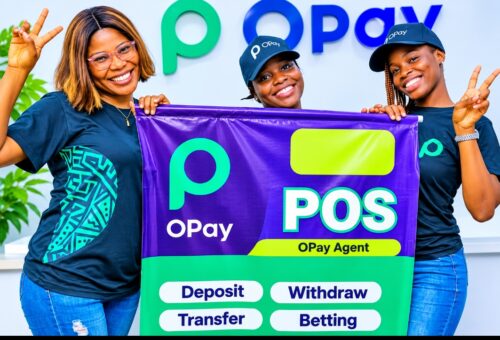
Readers who use OPay can follow our step-by-step guide on how OPay users can get the ₦50,000 NERSI relief. It explains what to expect from the notification to the withdrawal.
The government has stressed that the provider you are assigned to is not a matter of choice. Dialling a code for a provider that was not assigned to you will not move you up the list or speed up any payment.
MTN and the Government Warn of Fake Messages
The rollout has already attracted scammers. A message circulating on social media told people to send “YES” to an unofficial code and promised payment within 24 hours. MTN Nigeria Support responded that the information did not come from the company, and advised subscribers not to click suspicious links, according to MobilePunch.
The government’s advice to the public is consistent across several reports:
- Trust only messages that come from an approved provider: ALAT, MoMo, NairaGram, OPay or Moniepoint.
- Never share your PIN, one-time password (OTP), bank verification number (BVN) or password with anyone.
- Do not pay any fee, and do not register through an agent or an unofficial website.
- Be suspicious of any message that guarantees payment within hours.
A genuine message will only ask you to reply YES or to dial your provider’s designated USSD code. Anyone unsure about a message can call the official NERSI helpline on 0700-022-2222. MoMo PSB customers can also reach support by dialling 671 on an MTN line. Official programme information is published on the Federal Ministry of Humanitarian Affairs and Poverty Reduction website.
Fact-checkers have warned about similar tricks before. Africa Check found that earlier social media posts urging Nigerians to apply for government cash transfers through a particular website were misleading, since the government had not set up any such application site.
Is the Payment Monthly or One-Off?
One question has caused confusion. When the programme was launched, the minister’s announcement described the support as a monthly payment of ₦50,000. However, the programme’s own frequently asked questions page describes it as a one-off payment into a beneficiary’s mobile wallet, according to Nigeria Housing Market, which flagged the discrepancy. Legit.ng also noted that the payment frequency remains unclear.
The government has not yet published a detailed timetable showing when each batch of beneficiaries will be paid, Daily Trust reported. It has also not said how long the intervention will run. Until the ministry clarifies, beneficiaries should treat the ₦50,000 as the amount they will receive after accepting the offer, and should not assume that further payments are guaranteed.
Why Transparency Matters
Public interest in the scheme is high partly because of how earlier cash transfers fared. Legit.ng reported that the Auditor-General said there was not enough evidence to confirm that ₦33.75 billion in cash transfers in 2023 reached 3.29 million genuine beneficiaries, because beneficiary records and payment statements were missing. That finding does not concern NERSI, but it explains why civil society groups and ordinary Nigerians are watching how selection, payment and reporting are handled this time.
For now, the government says that selection relies on verified identity records, payments are sent only after the recipient gives consent, and funds move straight into the beneficiary’s wallet. Those design choices are meant to reduce leakage and fraud. Whether they work in practice will depend on how widely the ministry publishes data on who has been paid.
What to Do If You Have Not Received a Message
Many Nigerians are asking why they have not been notified. The government’s guidance, as reported by PRNigeria, is that people who have not received a message should check their eligibility through their assigned provider’s USSD channel rather than assume they have been excluded. Not every Nigerian will be selected, because the programme targets poor and vulnerable households, and being on the National Social Register does not by itself guarantee a place on the payment list.
MTN subscribers who are unsure can dial *671*0#. Those who still have questions should use the NERSI helpline or MoMo PSB support, and should avoid anyone offering to “help” for a fee.
The Bottom Line
The extension of the ₦50,000 NERSI grant to MTN users through MoMo PSB gives millions of subscribers a simple, phone-based way to check whether they have been selected and to receive the money without a bank branch visit or an internet connection. The advice from officials is straightforward: dial only the approved code, accept only genuine offers, protect your PIN and OTP, and pay nobody.
Daily Talk will continue to track the rollout and any clarification from the ministry on timing and frequency. For more stories on government relief programmes and the economy, visit our Business & Economy section, and for updates on mobile money and digital payments, see our FinTech page.