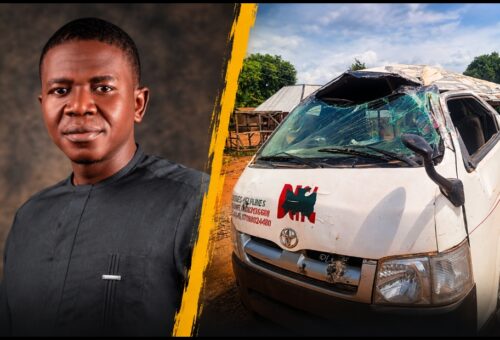
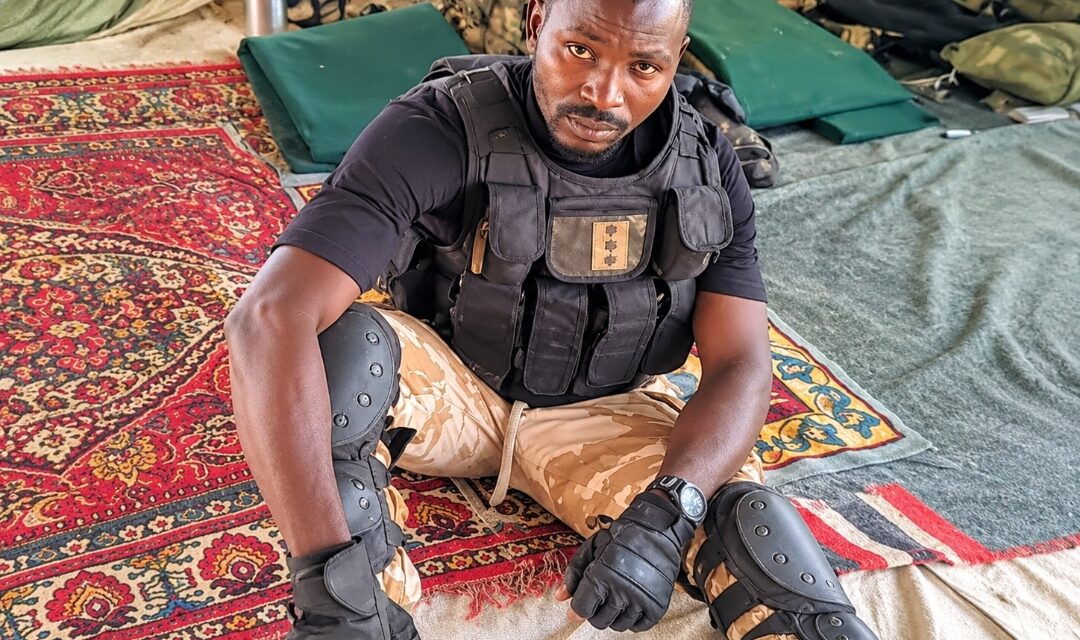
A Nigerian Army veteran has described how his convoy came within seconds of being fired on by fellow soldiers on the Damboa road in Borno State. His account also pays tribute to a fallen officer widely known as “Sarkin Yakin Damboa”, which means “King of War” in Hausa. The veteran, Idris Musa, who writes under the pen name “Pen🦅”, says his team entered the Damboa Brigade location without warning and was saved by the judgment of Major Munir M. Hassan. The story comes as security forces still face attacks across the country, including bandit attacks on communities in Taraba State. This report summarises the account, adds verified background and marks what remains unconfirmed.
What the veteran says happened
According to Mr. Musa, his team was on a Theatre Command protection mission to Damboa. He says the unit moved without advance notice to the troops stationed ahead.
The road, he explains, is dangerous because insurgents can ambush convoys within moments. To stay ahead of an attack, his team moved using “fire and movement” on likely ambush spots. This means some soldiers fire to cover others as the group advances.
But the shooting alerted the troops at the Damboa Brigade location, he says. By the time his vehicles arrived, tank turrets had swung around, gun barrels were lowered and armoured vehicles were pointed toward the approach. It was a sunny afternoon.
Mr. Musa says he was in the lead gun truck, which makes him the first target in range. He adds that if it had been night or visibility had been poor, the outcome could have been fatal.
He says Major Hassan did not order his men to fire. Instead, the officer drove toward the convoy, leaning out of his armoured vehicle. He was angry about the unannounced entry, Mr. Musa says, and exchanged heated words with a tired member of the visiting team. Mr. Musa blames the mix-up on a movement officer.
It ended, he says, the way such moments often end among soldiers: with cigarettes, water, shared supplies and a reunion of colleagues from different units.
Why the Damboa road is seen as dangerous
Damboa lies in southern Borno State. The veteran says the road from Maiduguri to Damboa passes through the Sambisa Forest area, so any push toward Sambisa from the Maiduguri side must use it. He calls it a “dead trap” for convoys.
Public reports support the claim that the road has seen violence. In one incident, Ripples Nigeria reported that troops on clearance operations along the Damboa–Maiduguri road came under attack. Defence Headquarters said 17 insurgents were killed and two soldiers died.
What is friendly fire, and why does it happen?
Friendly fire happens when troops mistakenly fire on their own side. Armies around the world have faced it, and it is often called “blue on blue”. Common causes include poor communication, unclear movement plans, difficult terrain, bad visibility and the fear of an ambush.
The details of this case have not been confirmed, but the account shows how quickly such an error can happen. A convoy that is nervous about an ambush may fire to defend itself. A base that is expecting an attack may fire back at anything approaching. Advance notice, clear radio contact and recognition signals are the usual ways to reduce the risk.
Who was Sarkin Yakin Damboa?
Munir M. Hassan was a Nigerian Army officer of the artillery corps based in Damboa. ICIR reported in January 2018 that he was killed on a Friday during an offensive against insurgents. It quoted journalist Ahmad Salkida, who said Hassan was often given difficult tasks in different areas to help other soldiers, and that his death was being mourned across the theatre of operations.
The nickname “Sarkin Yaki” was given to him by colleagues and by civilians, according to Daily Nigerian. Local residents described him as kind and humble, ICIR reported.
His rank appears differently in different reports. Early coverage called him a captain, while later funeral reports and the veteran’s account call him a major. This article uses “Major”, as the veteran does, and notes the difference.
How he died
Reports say Major Hassan died on 5 January 2018 in the Damboa area during a gunfight with insurgents. HumAngle quoted a soldier-writer who said he was hit by a detonated grenade. Daily Nigerian reported that a grenade he was carrying fell and exploded.
Borno’s then governor, Kashim Shettima, attended his funeral prayer, according to the same report. The HumAngle writer also described emotional scenes at the funeral procession, saying that senior officers wept. That is one person’s recollection and not an official record.
The same writer said the Boko Haram leader Abubakar Shekau placed a ₦10 million bounty on him. This is a claim by one author and has not been confirmed by independent sources.
The wider operation: Deep Punch II
Major Hassan died as the army launched Operation Deep Punch II. According to an AFP report, troops from Nigeria and neighbouring countries launched major offensives against two Boko Haram factions and their leaders in early January 2018.
The army said the operation was making progress. Anadolu Agency reported that army spokesman Brigadier General Sani Usman said four soldiers were killed and nine injured in a clearance operation, while more than 50 insurgents were “neutralised”. Those are the army’s figures and were not independently confirmed.
Equipment and coordination matter
Stories like the Damboa scare show that equipment alone does not keep soldiers safe. Training, communication and planning matter just as much. Elsewhere in Nigeria’s security sector, agencies are investing in new tools, such as the tactical assets NIMASA unveiled for the Deep Blue Project, which target maritime security.
Land operations face different challenges, including bad roads, hidden threats and long distances between bases. Clear communication between units is one of the simplest ways to reduce deadly mistakes.
What remains unverified
- The date and exact location of the convoy incident are not given in the account.
- The Nigerian Army has not publicly commented on this account, in the sources reviewed.
- Reports differ on Major Hassan’s rank and on exactly how the grenade exploded.
- The bounty claim comes from a single personal account.
Readers should treat the veteran’s story as a personal recollection. It is valuable as testimony, but it is not an official finding.
Why soldiers’ stories matter
Veterans’ accounts help the public understand the risks soldiers face and the split-second decisions they make. They also keep alive the memory of those who died. Many Nigerians have followed the northeast conflict from a distance, and first-hand stories add a human face to it.
At the same time, such stories should be read carefully. Memories fade, details shift and opinions colour what people recall. Asking for official confirmation, where it exists, is part of honest reporting.
What happens next
The northeast conflict continues, and troops still rely on roads like Damboa’s to move supplies and people. Calls for better coordination and welfare for soldiers and veterans are likely to continue. We will update this report if the Nigerian Army or other witnesses add details.
For more reports on security and national news, visit the News section of Naija Viewpoint.
Editor’s note: This report is based on a first-person account by Idris Musa. The incident described has not been independently verified. Background details come from the cited news reports. The Nigerian Army and other witnesses are invited to respond, and any reply will be published.