


Who Is Aondongu Peter Suleagbough?
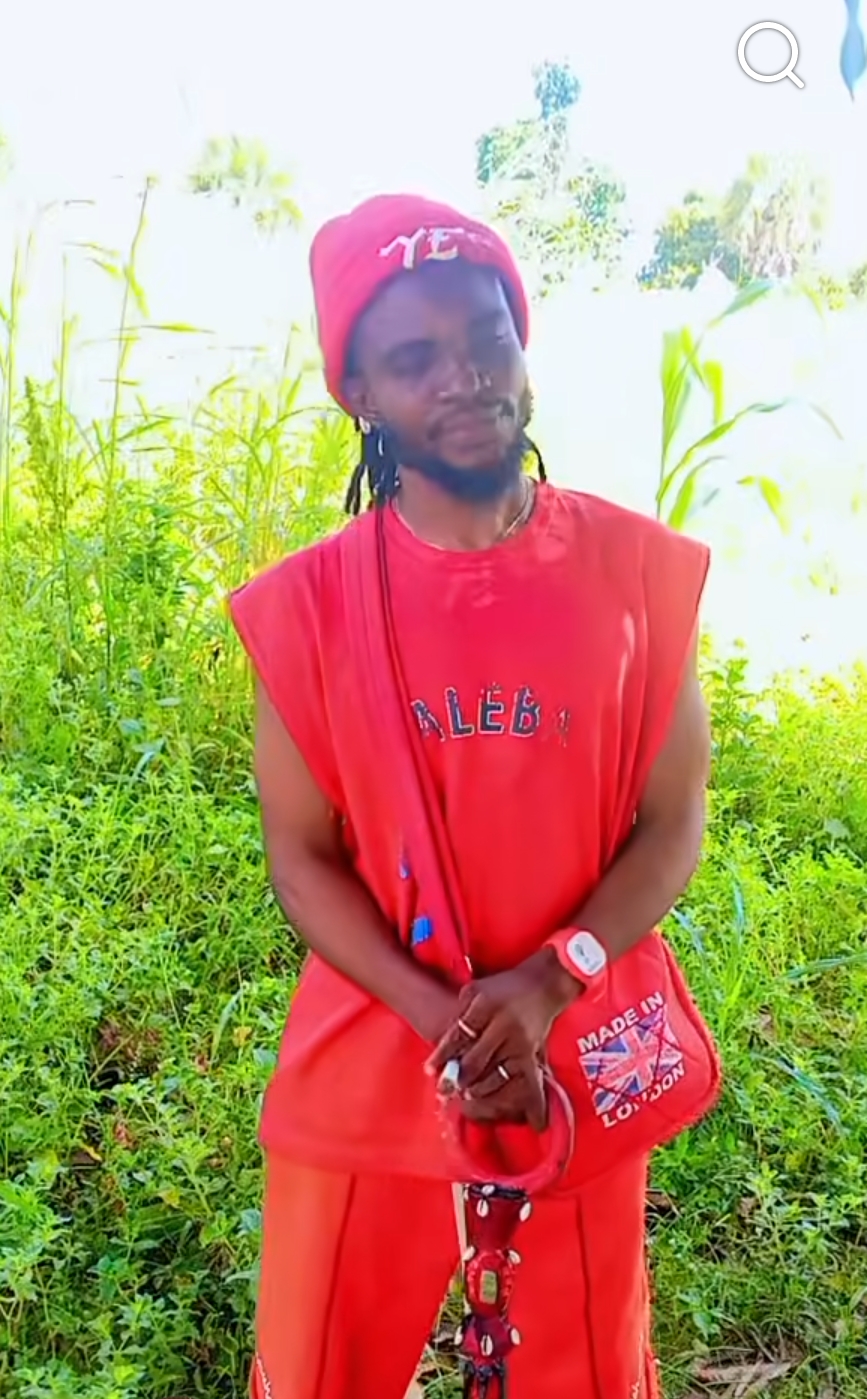
Aondongu emerged about three months ago as a peace crusader in Sankera. The area covers Katsina-Ala, Ukum and Logo local government areas of Benue State. His message is blunt. He urges armed robbers, kidnappers and bandits to lay down their weapons and become peaceful, law-abiding citizens, or risk being killed.
He has also made a bold claim. He says he is the only powerful figure the people of Sankera should fear, not the criminals hiding in the bushes. Supporters see a fearless voice in a place where many have lost hope. Critics see a dangerous gamble.
Bandits Respond With a Challenge
Several alleged bandit leaders, including those known as Ichen, Full Fire and Zegebra, reportedly dismissed the crusader’s warnings as mere intimidation. Instead of backing down, they challenged him to a physical fight at a neutral location in Zaki Biam.
Aondongu accepted. A neutral venue was later agreed, though reports say it is in the village of Zegebra himself. That detail has left many wondering how neutral the ground really is.

This report is based on accounts circulating in Benue. The identities of those involved and the exact arrangements have not been independently confirmed, and details may change.
The Big Questions Benue Is Asking
The planned encounter has triggered a wave of concern. Four questions dominate conversations across the state:
- Will security agencies allow it? Many wonder whether the police, army and other agencies will stand by while a public showdown with an alleged armed group takes place.
- What will happen to innocent villagers? Communities near the venue could be caught in the crossfire or face reprisals afterwards.
- Will Aondongu attend with security? It is unclear whether he will go alone, with escorts or under official protection.
- Could it be an ambush? Given Sankera’s violent history, some fear the meeting could be a trap.
No clear answers have emerged, and that uncertainty is fuelling anxiety. Other troubling events, including the repeated fires reported at St. Winifred’s Girls’ School in Ihugh, have also kept residents on edge.
Spacebus Gift Sparks Political Row
The story took a fresh turn on Wednesday, October 28, 2026. The Chairman of Katsina-Ala Local Government Area and the Benue State chairman of the Association of Local Governments of Nigeria (ALGON) presented Aondongu with a spacebus to ease his movement.
The gesture drew criticism from many Benue residents. Among them was Terver Atsu, popularly known as Kreazytee and a former aide to the governor. He advised the crusader to avoid politicians and their gifts. Wan Mbavaa took a contrary view, offering a different perspective on the donation.
The debate raises a wider question: can a grassroots peace campaign stay independent once political leaders get involved?
Background: Why Sankera Is So Fragile
To understand why this story has gripped Benue, it helps to look at Sankera’s troubled past. The area is made up of Katsina-Ala, Ukum and Logo, with Katsina-Ala as its headquarters.
Reports trace the modern conflict to around 2015. A militia led by Terwase Akwaza, popularly called Gana, clashed with rival armed groups and security forces. After the military killed Akwaza in 2020, his former associates reportedly split into rival groups, which worsened the security situation.
As attacks continued, the state government stepped in with a ban on okada riders. The Benue State Security Council banned motorcycles in Katsina-Ala and Ukum “till further notice”. It also ordered security operatives to arrest violators and impound their motorcycles. Tricycles, known as Keke, remained allowed.
The ban later covered all three Sankera councils. Then-Governor Samuel Ortom also banned old-model Toyota Corolla cars, nicknamed “duck nyash”, after the killing of Dr. Terkula Suswam. Officials said the attackers used a motorcycle and that type of car. Authorities argued that motorcycles had become a convenient means of transport for criminals. A dusk-to-dawn curfew was also imposed on Ukum and Katsina-Ala. Officials said the ban followed persistent attacks that led to many deaths.
The policy did not last unchallenged. A High Court in Gboko set aside the Security Council’s order, and Ortom directed the lifting of the ban in Sankera. Later, the state restricted okada operations statewide to between 6 a.m. and 8 p.m., citing the movement of suspected bandits fleeing other states.
The human cost has been heavy. Elders have said almost all schools and health facilities in Sankera have been closed for nearly a decade. Governor Hyacinth Alia has said local bandits rejected his peace overtures. Even so, Catholic priests have reportedly persuaded some armed men to lay down their weapons since 2023, which shows that dialogue can work.
Why This Showdown Matters
Many Benue residents are tired of waiting for lasting peace. A bold public challenge, even a risky one, speaks to that frustration.
Yet the case also raises hard questions. Protecting lives and property is the job of the police, the military and other agencies. A private citizen meeting an alleged armed leader in person could escalate tensions instead of calming them. It could also put ordinary villagers in danger.
Peace-building experts often favour dialogue, community trust and structured disarmament. Whether a one-on-one confrontation fits that approach is something Benue people are now debating openly.
What Happens Next
All eyes are on Monday. Residents near the proposed venue are advised to follow official security updates and avoid crowding the area. Security agencies may still step in, and the plan could change before the day.
Whatever happens, the episode has put Sankera back in the national conversation. It also shows how deeply insecurity shapes life, politics and public trust across Benue State. For more on the political climate in the state, read Alia’s visit to Ushongo and what Akase says it reflects.
DAILY TALK will update this story as new details emerge.