
The document, titled the Tinubu/Alia 2027 Campaign Council and carrying the theme “Continuity and Consolidation,” runs to at least 19 pages. It sets out a campaign council of 72 members, a separate advisory council, 30 campaign directorates and zonal campaign councils. Daily Talk reviewed the pages of the list that were available at the time of publication. This report explains who is on it, what each body is meant to do, and why one name in particular, that of Senator George Akume, has drawn attention.
At a glance
- Governor Hyacinth Iormem Alia has constituted the Tinubu/Alia 2027 Campaign Council in Benue State, with Hon. Citizen Richard Asema as Director-General.
- Hon. Dr. Peter Sani Ochijele, Esq., is Deputy Director-General, and Dr. Cletus Akwaya is Secretary.
- Secretary to the Government of the Federation (SGF) George Akume appears on the list as a member, but Daily Talk found no public statement from him confirming that he has accepted the role or will campaign for Alia’s re-election.
- Alia and Akume announced a truce on May 3, 2026, yet recent reports say their camps are running separate campaigns.
Who leads the campaign council
At the top of the list is Alia himself, described as the Executive Governor and governorship candidate. His deputy, Dr. Sam Ode, is listed as the Deputy Governor and deputy governorship candidate. Both are formally part of the council because they are the APC ticket in Benue.
The working leadership of the council is as follows:
- State Chairman: Chief Dr. Benjamin Omale
- Director-General: Hon. Citizen Richard Asema
- Deputy Director-General: Hon. Dr. Peter Sani Ochijele, Esq.
- Secretary: Dr. Cletus Akwaya
- Deputy Secretary: Hon. Dr. Damian Akpen
A director-general in a Nigerian campaign is usually the person who runs the day-to-day machinery: scheduling rallies, coordinating directorates, managing communications and keeping party structures in step with the candidate’s message. The deputy director-general and the secretary support that work. In practice, these three names will decide how quickly the council turns from a list on paper into an operation on the ground in all 23 local government areas of the state.
The listing of Chief Benjamin Omale as State Chairman is also notable. Leadership newspaper reported earlier this year that APC congresses in Benue had produced parallel executives and two rival state chairmen, and that Omale emerged as chairman from the congress organised by Alia’s camp.
The main campaign council: prominent names
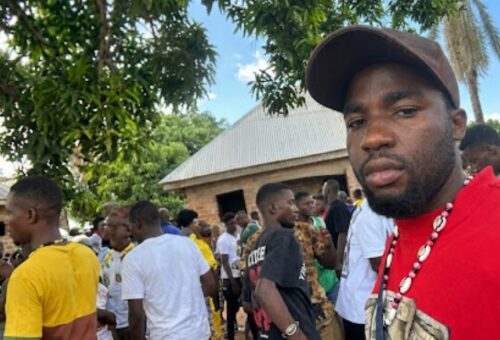
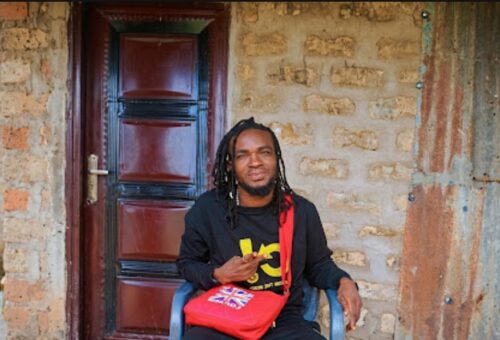
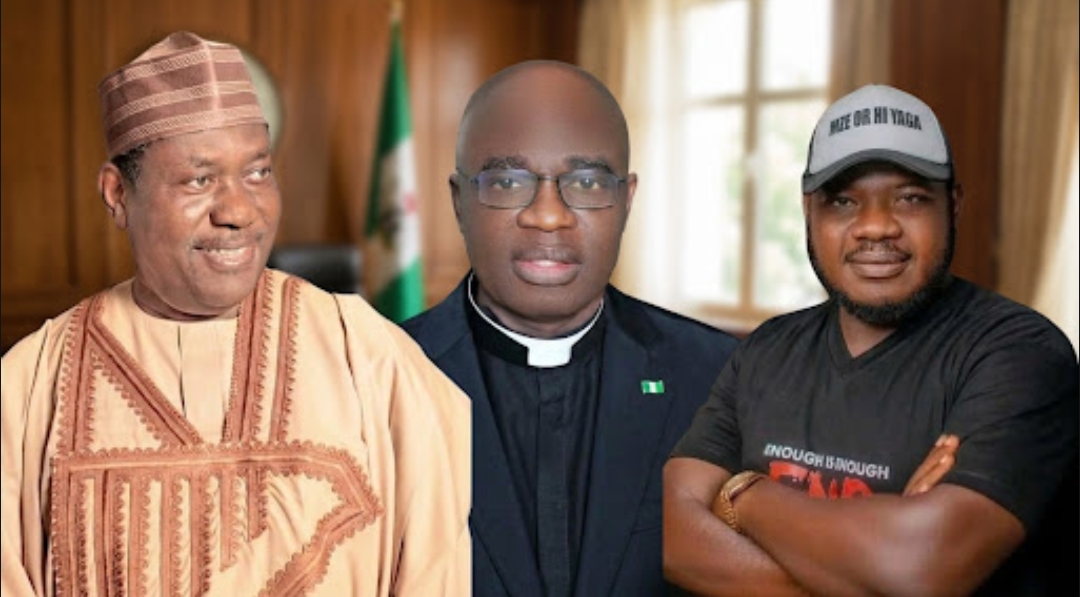
Beyond the leadership, the campaign council lists a long roll of political figures from across Benue’s three senatorial zones. A very controversial personality Haakyav Tombo Peter also named as the deputy Director of Contact and Mobilization. Again, Immediately after the governor and his deputy, the first members named include:
- SGF Sen. George Akume, CON
- Sen. Dr. Gabriel Suswam, CON
- Chief Steven Obekpa Lawani
- Sen. Dr. Barnabas Gemade
- Rt. Hon. Alfred Aondoaver Emberga
- Hon. Prince Moses Ternenge
- Hon. Prince Solomon Wombo
- Dr. Livinus Tsar
- Dr. Richard Gbande
The list then continues with dozens of lawmakers, party leaders, professionals and community figures, all designated as members. Among them are Hon. Mark Hanmation, Rt. Hon. Terkimibir Ikyange, Hon. Alex Addingi, Rt. Hon. Nick Eworo, Chief Edward Ashiekaa, SAN, ACG Benjamin Aber, Hon. Dr. Margaret Adamu Ijaguwa, Hon. Mrs. Blessing Onuh, Rt. Hon. Joe Ojobo, Dr. Ojotu Ojema, Hon. James Kur, Hon. Dr. Benjamin Ashaver, Hon. Mrs. Scholastica Ben-Sor, Hon. Dr. Paul Orhii, Prof. Eugene Aliegba and Hon. Dr. Peter Egbodo.
Also listed are Mrs. Mbawasen Atuna Iortyer, Alhaji Aseer Ihongo, Dr. Francis Ottah Agbo, Hon. Justine Shaku Agabi, Hon. Mrs. Theresa Ikwue, Rt. Hon. David Iorhemba, Mrs. Elizabeth Shuluwa, Rt. Hon. Titus Uba, Sen. Emmanuel Udende, Sen. Dr. Titus Zam, Hon. Terseer Ugbor, Hon. Sesoo Ikpahagher, Hon. Sekav Iortyom, Chief Mrs. Regina Akume, Rt. Hon. Dickson Tarkighigh, Hon. Arc. Austin Achado, Hon. David Ogewu and Chief Clement Adzuanongo.
The roll continues with Chief Mrs. Lami Danladi Ogenyi, Hon. Peter Bemdoo Ipusu, Rt. Hon. James Abu Umoru, Hon. Cyril Ijebe Ikong, Hon. Gabo Simon, Hon. Moses Egbodo, Rt. Hon. Cephas Tavershima Dyako, Rt. Hon. Michael Audu, Rt. Hon. Jonathan Akule Agbidyeh, Hon. Jiji Samuel Shimapever, Hon. Abraham Zahemen Jabi, Ph.D, Hon. Beckie Torkwase Orpin, Hon. Elias Terumbur Audu, PhD, Hon. Samuel Anyor Matu, Hon. Douglas Terkume Akya and Hon. Atta Anthony Agom. The final names on the member list are Hon. Kennedy Agbogo Angbo, Hon. Manger Mcclinton Manger, Hon. Ezra Mcsylawn Nyiyongo, Hon. Peter Terwase Uche, Hon. Matthew Damkor, Ph.D, and Hon. Emmanuel Terna Shimawua.
The advisory council
The document also creates a separate Tinubu/Alia Campaign Advisory Council. It is chaired by Sen. Barnabas Gemade, the former Senate figure from Benue North-East. His deputy is Gen. Lawrence Onoja (Rtd), and the secretary is Dr. John Hinga Biem.
Other members of the advisory council include Sen. Ameh Ebute, Prof. Steve Torkuma Ugbah, Barr. Moses Atagher, Chief Sen. Jack Tilley Gyado, Chief Simon Shango, Hon. Benjamin Omakolo, Prof. Nicholas Ada, Chief Goddy Ikyereve, Hon. Richard Gbaden, Hon. Chris Ikper, Hon. Kohol Iornem, Hon. Tony Agom, Gen. India Garba, Hon. Paul Ubwa, Prof. Jonathan Uever, Hon. Mrs. Juliana Anja, Hon. Fidelis Msughter Unongo and Engr. Terese Ninga. The pages available to Daily Talk end at member number 21, so the full advisory council may be larger.
Advisory councils in Nigerian campaigns are generally made up of elder statesmen and respected figures. They do not run daily operations, but they are expected to give guidance, open doors and help resolve disputes.
The campaign directorates
The operational heart of the list is Section D, which sets out 30 campaign directorates. Each has a director, and most have several deputy directors. Here are the directors Daily Talk was able to read:
- Contact and Mobilization: Hon. James Ornguga
- Transport: Cmr. Alexander Fanafa
- Logistics: Linda Ene Agada
- Legal Services: Terhemen Ngbea, Esq.
- Finance: Hon. Iorpuu Baaki, with Hon. Alex Addingi as Co-Director
- Religious Affairs: Apostle Dave Ajav
- Communications: Sir Tersoo Kula
- Print and Electronic Media: Hon. Maurice Tsav
- Publicity: Chief Solomon Iorpev
- Protocol and Welfare: Hon. Mrs. Dorathy Mato
- Administration: Hon. Solomon Kachinah
- Venue and Itinerary: Hon. Manasseh Alumo Orpin, with Hon. Benita Shuluwa as Co-Director
- Data and Digital Campaign: Adejene Shedrack
- Planning: Dr. Mark Nyitse
- Research: Dr. Aondona Mkor
- Election Management and Monitoring: Hon. Prince Solomon Wombo, with Hon. Livinus Tsar as Co-Director
- Security and Intelligence: Col. Alexander Anshungu
- Women Affairs: Hon. Scholastica Bensor, with Chief Mrs. Helen Agaigbe and Hon. Theresa Ikwe as Co-Directors
- Youth Mobilization: Rt. Hon. Nick Eworo
- Medical Services: Dr. Stephen Hwande
- Diaspora and Interstate Affairs: Ijala Danjuma
- Interparty Relations: Alfred Oketa Omakwu
- Community Relations and Stakeholders Engagement: Hon. Jonathan Iyoolgbondo
- Special Duties: Hon. Terver Gbenda
- Operations and Rapid Response: Hon. Uta Stephen
- Labour Relations: Benjamin Abobunu
- Humanitarian Services: Sir James Iorpuu
- Voter’s Education and Sensitization: Dr. Terhemen Tarzoor
- Strategy: Hon. Prince Moses Ternenge
- Special Needs: Hon. Dave Jia
Several directorates carry long benches of deputies. Voter’s Education and Sensitization, for example, has seven deputy directors, while Election Management and Monitoring has six. Under Communications, the list names deputies and assistants for ICT and new media, content creation, social media, photography and videography. Under Publicity, one of the deputy directors is named as Hon. Benedict Yawe, a name that matches the APC state publicity secretary who has recently spoken to the press about the party’s campaign.
The breadth of the structure suggests the council is designed to mirror a full election operation, from polling-unit monitoring and legal support to security, medical services and social media. Whether it delivers will depend on funding, coordination and, above all, party unity.
Zonal campaign councils
Section G of the document creates zonal campaign councils. Each zone has the same set of nine officers: a Zonal Vice Chairman, Secretary, Youth Leader, Woman Leader, Voter Education Officer, Finance Officer, Organizing Secretary, Publicity Secretary and Legal Adviser. In addition, all party candidates, local government council chairmen, state executive members and gubernatorial liaison officers (GLOs) within a zone are automatically included.
Zone A is led by Engr. Dondo Ahile as Zonal Vice Chairman, with Hon. Richard Mzungweve as Secretary. Others include Tordue Ahambe Martins (Youth Leader), Nancy Ukaa (Woman Leader), FanenFrank Mondo (Voter Education Officer), Iorpuu Baaki (Finance Officer), Hon. Apele Augustine (Organizing Secretary), Gabriel Tyover (Publicity Secretary) and Charles Abee, Esq. (Legal Adviser).
Zone B is led by Hon. Jiriyila Emmanuel Terkura as Zonal Vice Chairman, with Hon. Donald Alaka as Secretary. The team also includes Versue Ado Orgudwuem (Youth Leader), Mrs. Eunice Kwabee (Woman Leader), Celestine Awambee (Voter Education Officer), Hon. Godwin Alyebo (Finance Officer), Simon Peter Ukor (Organizing Secretary), Vegher Ngutor (Publicity Secretary) and Hon. Justine Gbagir (Legal Adviser).
The pages available to Daily Talk did not include a Zone C list.
The Alia–Akume question
For many observers, the most closely watched line in the document is number three on the campaign council: “SGF, Sen. George Akume, CON.” Akume is the Secretary to the Government of the Federation, a former Benue governor who served from 1999 to 2007, and one of the most influential politicians in the North-Central region. His name appearing on a list headed by Alia is significant because the two men have been at odds for much of the governor’s first term.
How the rift began
Alia, a Catholic priest turned politician, won the 2023 governorship election on the APC platform with Akume widely regarded as a key supporter. The relationship began to sour in the following years. In one widely reported episode, covered by The Guardian, Akume reportedly spoke at the burial of the elder statesman Dr. Paul Unongo and suggested that the governor had been surrounded by people hostile to him, adding that he no longer recognised the man he had supported before the election. Pro-Alia groups responded by calling for Akume’s replacement as SGF, while a spokesman for the governor described talk of a rift as speculation.
The North-Central APC Forum later warned that the dispute could hurt the party’s chances in 2027, urged Akume to stop what it described as attacks on the governor, and accused him of using proxies, a claim Akume was not quoted as answering in that report. Leadership newspaper also documented how the dispute produced parallel state congresses and two claimants to the state chairmanship, with both camps waiting for a ruling from President Bola Ahmed Tinubu and the party’s National Working Committee (NWC).
The May 3 reconciliation
A turning point came on May 3, 2026, when a reconciliation meeting was held in Makurdi. According to the News Agency of Nigeria, Akume announced the outcome after closed-door talks and said stakeholders had agreed to reach a consensus in support of Alia’s return as governorship candidate. He said participants had reviewed their mistakes and agreed to rebuild an “inclusive party.” He also conveyed the President’s message on unity. ThisDay reported that the governor himself had convened the meeting.
Alia later offered a public apology. Blueprint reported that he apologised to Akume for earlier misconceptions, credited President Tinubu with directing the SGF to secure lasting peace in the Benue APC, and described Akume’s long silence during the dispute as a sign of maturity.
The peace is tested at the primaries
The truce did not end the contest for influence. Leadership reported that Akume had reportedly sought automatic tickets for serving National Assembly and State Assembly members, while Alia insisted that every aspirant, himself included, should go through direct primaries. The battle then moved to Abuja over the final list of candidates sent to the Independent National Electoral Commission (INEC).
According to a separate Leadership report, senators Titus Zam and Emmanuel Udende, both seen as aligned with Akume, retained the party’s tickets in the final list. State Assembly tickets were later split, with 24 going to Alia’s camp and 13 to Akume’s. Zam and Udende both appear on the new campaign council list, as does a Chief Mrs. Regina Akume. Leadership has reported that the SGF’s wife secured the APC ticket for the Gboko/Tarka Federal Constituency.
Divisions after the primaries
In July, Vanguard reported that a group of APC chieftains, including some former loyalists of the governor, had pledged loyalty to Akume’s leadership during a visit to him in Abuja and endorsed President Tinubu’s bid for a second term.
Meanwhile, President Tinubu gave Alia a central role in the state. Blueprint reported that the President appointed him to coordinate the presidential campaign and the campaigns of APC candidates at all levels in Benue, and urged stakeholders to take direction from him. The national campaign document for the Tinubu/APC 2027 presidential campaign council, posted on the APC website, lists Alia as Coordinator for Benue State and Akume as an Adviser.
Has Akume agreed to support Alia’s re-election?
This is the central question, and the honest answer, based on what is publicly available as of November 3, 2026, is that it is not clear.
On one side, Akume himself announced the May 3 consensus in favour of Alia’s candidacy. Alia has repeatedly said publicly that he respects Akume’s role in his political journey, and Akume’s name sits at number three on the new list.
On the other side, there are signs that the working relationship has not fully recovered. Leadership reported about a week ago that the two camps had started parallel campaigns. Both are working for Tinubu’s re-election, but separately. Daniel Ihomun, the spokesperson for Akume’s camp, was quoted as saying that the President had intervened to end the crisis but that Alia had failed to bring the party together. He said Akume’s supporters were campaigning for Tinubu and for APC candidates loyal to the party and to the SGF. In the same report, the state APC publicity secretary, Benedict Yawe, said the party’s doors remained open and that the party, not any individual, was on the ballot.
A recent Daily Trust analysis described the situation as a challenge for the APC and quoted party figures who said the real problem was a lack of effective coordination and genuine reconciliation. It also reported that a member of the presidential campaign’s media team had appealed to Benue APC members to reconcile the two leaders.
What Daily Talk could not find is any statement from Akume personally saying that he approved the inclusion of his name on the council, that he will take part in its work, or that he will campaign for Alia’s re-election. Appearing on a list is not the same as accepting a role. In Nigerian politics, campaign lists are sometimes issued before every named person has been formally consulted, and a name may be included as a gesture of inclusion or reconciliation. Daily Talk has asked for comment from both camps and will update this report when it receives a response.
It is also worth noting what is not in dispute. Neither camp has said it opposes President Tinubu’s re-election. Both say they are working for him. The disagreement is about who leads the effort in Benue and whether Alia’s own candidacy is included in the message.
Why this matters for the 2027 race
The strength of the APC in Benue will be tested by opponents who are watching the rift closely. The opposition Peoples Democratic Party has been vocal in recent days. In a statement reported by Daily Talk, the party’s state chapter called on the governor to account for state finances. Daily Talk has not independently verified the allegations contained in the statement, which are the party’s own claims. A group of Benue indigenes in Plateau State has also endorsed PDP governorship candidate Michael Aondoakaa for 2027. Separately, the Voice of Nigeria reported that the governor’s camp has been monitoring a so-called Rainbow Coalition that has been linked to wider political realignments, and that the governor said his performance and public acceptance would decide his fate.
For the governor, the new council is an attempt to show that his campaign is broad, organised and inclusive. The list brings together former governors, serving and former lawmakers, professionals, religious leaders, women and youth representatives, and figures from all three senatorial zones. Its inclusion of Akume and of lawmakers seen as close to him can be read as an open invitation to a rival camp to come on board.
For the SGF and his supporters, the list poses a decision. Joining the council would signal that the reconciliation is real. Staying away, or responding publicly, would confirm that the divisions are still live. Either way, the choice will shape how voters, party members and rivals read the APC’s unity in the state.
What happens next
Several questions remain open. The first is whether the council will be formally inaugurated and whether the persons named will attend. The second is whether Akume, or his spokesman, will respond to the list. The third is how the two camps will coordinate the final stretch of the campaign, including rallies, voter education and polling-unit monitoring, once INEC’s official timetable for campaign activities begins.
The party’s own structure may also decide the outcome. The Election Management and Monitoring Directorate, led by Hon. Prince Solomon Wombo and Hon. Livinus Tsar, and the Contact and Mobilization Directorate, led by Hon. James Ornguga, will be among the bodies tasked with reaching voters. Their work will be influenced by how well they can reach supporters who identify with either camp.
The governor’s first-term record will also be central. Daily Talk recently reported that Alia constituted a Benue Primary Health Care Board and approved 23 replacement appointments, the sort of governance decision that supporters and critics alike will weigh as the campaign gets under way.
Editor’s note
This report is based on a copy of the Tinubu/Alia 2027 Campaign Council list reviewed by Daily Talk and on published reports from other news organisations, which are linked in the text. Daily Talk has not yet independently confirmed the date of the council’s inauguration or whether each person listed has accepted their role. Statements attributed to political camps or parties reflect their own positions and have not been independently verified. Readers who have information about the council, or who are named in it and wish to respond, can reach the newsroom through the Contact Us page.
For more on the road to the next general election, follow the Daily Talk Politics section and the Election Countdown page.